
GLP-1 medications like Ozempic, Wegovy, Mounjaro and Zepbound can help you lose a lot of weight. The catch: some of that weight can be muscle. Strength training is the most reliable way to protect it, and it works best with a plan built around how you feel on the medication.
This guide covers why muscle matters on a GLP-1, what the latest expert guidance recommends, a simple weekly plan you can start at home, and how live one-on-one coaching with a certified phyt.live trainer can help you stay strong while the scale moves.
phyt.live does not provide medical advice. If you take a GLP-1 or any other medication, talk with your healthcare provider before starting a new exercise or nutrition program.
Why muscle matters when you’re on a GLP-1
GLP-1 medications reduce appetite, so most people eat noticeably less. When you lose weight quickly and eat less, your body doesn’t only burn fat. It can also break down lean mass, which includes muscle.
Research on incretin-based medications suggests that roughly 25% to 39% of the weight lost can be lean mass. That matters because muscle:
- Keeps you strong for everyday tasks like carrying groceries, climbing stairs and getting up from a chair
- Supports your metabolism, which helps you maintain your results
- Protects balance and mobility, especially after 40 and 50
- Gives your body shape and tone as fat comes off
The good news: studies show that combining weight loss with resistance training leads to a more favorable lean-mass profile than weight loss alone.
What the experts recommend
In 2025, four leading organizations (the American College of Lifestyle Medicine, the American Society for Nutrition, the Obesity Medicine Association and The Obesity Society) published a joint advisory on nutrition and lifestyle for people on GLP-1 therapy. Among their priorities:
- Strength training plus adequate protein to preserve muscle and bone
- Nutrient-dense, minimally processed foods, since you’re eating less overall
- Managing GI side effects like nausea and constipation as a core part of care
- Supporting physical activity, sleep and stress management alongside the medication
U.S. physical activity guidelines call for muscle-strengthening activity at least two days a week. For people on GLP-1s, fitness professionals commonly suggest starting with two to four strength sessions a week, depending on your experience, energy and recovery.
A simple weekly strength plan for GLP-1 users
Here is a beginner-friendly structure you can do at home with a pair of dumbbells or resistance bands. Your phyt.live trainer will adjust it to your level, your energy and any limitations.
| Day | Focus | Example exercises |
|---|---|---|
| Monday | Full-body strength (30 min) | Sit-to-stand squats, dumbbell rows, wall or incline push-ups, glute bridges |
| Tuesday | Walk or light cardio (20–30 min) | Brisk walk, easy bike |
| Wednesday | Full-body strength (30 min) | Split squats, overhead press, band pull-aparts, dead bugs |
| Thursday | Mobility and recovery | Stretching, gentle yoga, foam rolling |
| Friday | Full-body strength (30 min) | Goblet squats, Romanian deadlifts, chest press, farmer’s carry |
| Weekend | Stay active | Walks, hikes, play, chores |
Tips that make strength training work on a GLP-1
- Progress slowly. Add reps or weight over weeks. Steady progress tells your body to keep its muscle.
- Train on your good days. Many people feel more side effects in the day or two after a dose. Schedule harder sessions when you feel best.
- Eat and drink before you train. A small protein-containing snack and water can help prevent dizziness and fatigue.
- Keep sessions short and consistent. Three 30-minute sessions beat one long workout you dread.
- Listen to your body. Stop and check with your provider if you feel lightheaded, unusually weak or unwell.
Protein and nutrition basics
Because GLP-1s lower your appetite, it can be hard to eat enough protein. Experts agree adequate protein is essential for protecting muscle, but the right amount depends on your body, age and health, so ask your provider or a registered dietitian for your personal target. These habits help:
- Build each meal around a protein source: eggs, Greek yogurt, fish, chicken, tofu, beans or cottage cheese
- Eat protein first, before you get full
- Spread protein across the day instead of saving it for dinner
- Choose fiber-rich vegetables, fruit and whole grains to support digestion
- Drink water consistently, especially on training days
phyt.live coaching includes everyday nutrition guidance that fits around your appetite and your schedule.
Coming off a GLP-1: keep your results
Many people eventually reduce or stop their medication. Research shows weight regain is common: in the STEP 1 trial extension, participants regained about two-thirds of the weight they had lost within a year of stopping semaglutide.
Muscle you build and habits you form while on the medication are your best protection. Regular strength training, consistent protein and an accountable routine help you keep more of what you’ve worked for. Always plan any medication changes with your healthcare provider.
Why live 1-on-1 coaching beats an app
Generic workout videos don’t know when you’re nauseous, tired or ready to push. A live trainer does. With phyt.live you get:
- A real certified trainer, live on video, from your home
- A plan built around your medication schedule and how you feel week to week
- Form coaching in real time, so you train safely and effectively
- Accountability that keeps you consistent when motivation dips
- Nutrition guidance for eating enough protein on a smaller appetite
Meet Laura Tabloski, Managing Trainer
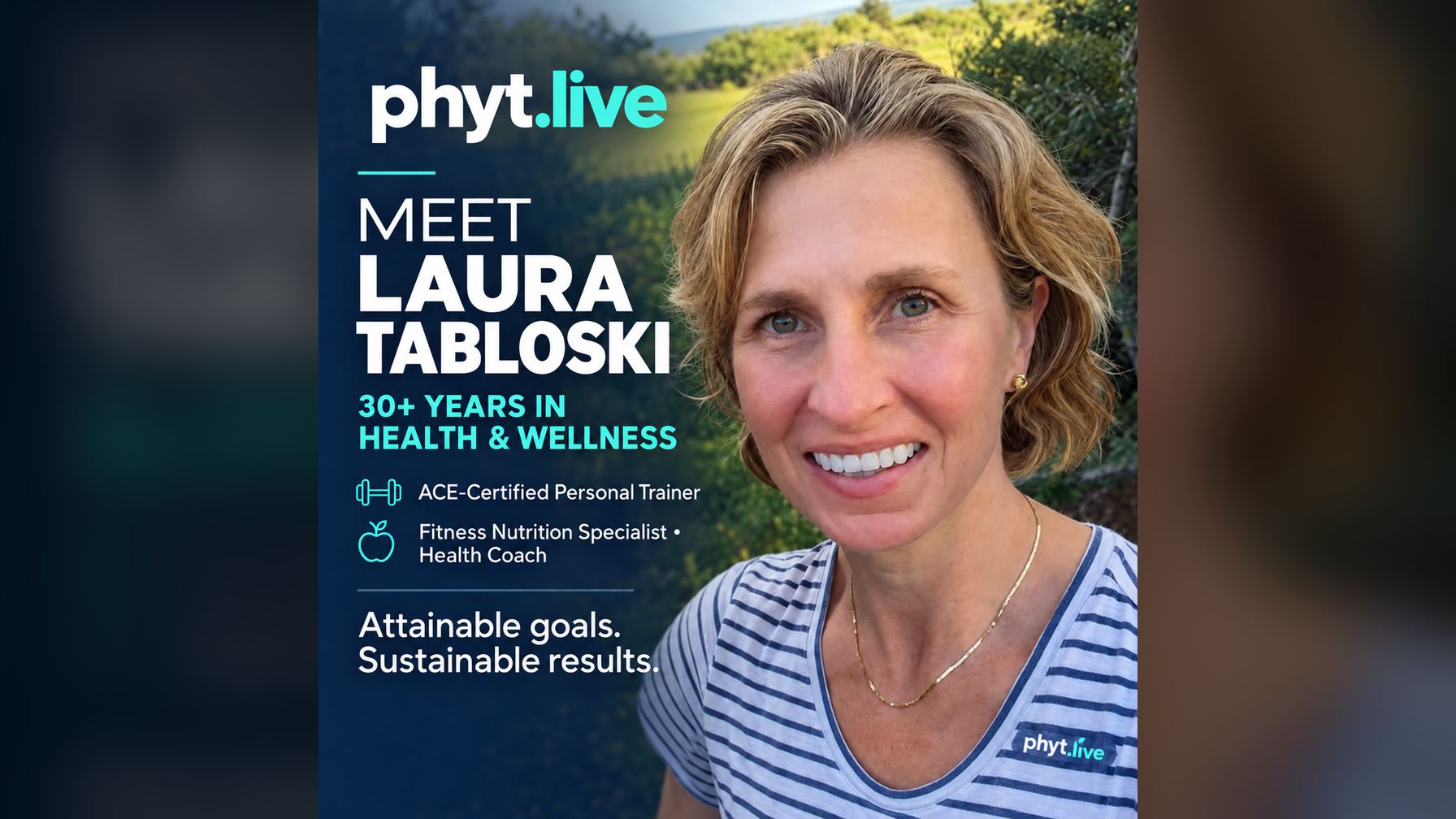
Laura is an ACE-Certified Personal Trainer, Fitness Nutrition Specialist and Health Coach with more than 30 years in health and wellness. She leads phyt.live’s GLP-1 coaching and works directly with new clients to set attainable goals and build sustainable results, one live session at a time. Read Laura’s full bio.
Frequently asked questions
Q: Can I strength train while taking Ozempic, Wegovy, Mounjaro or Zepbound?
A: For most people, yes. Strength training is one of the top recommendations for people on GLP-1 therapy. Check with your healthcare provider first, especially if you have other health conditions.
Q: How often should I lift weights on a GLP-1?
A: Aim for at least two strength sessions a week, as recommended by U.S. activity guidelines. Many people do well with two to four 30-minute sessions, adjusted to energy and recovery.
Q: Do I need a gym?
A: No. Dumbbells, resistance bands and your own body weight are enough to build and keep muscle at home. phyt.live sessions are designed for home workouts.
Q: What if I feel nauseous or tired?
A: Train on the days you feel best, keep sessions shorter, eat a small snack and hydrate beforehand. Your trainer will scale the workout to how you feel that day.
Q: Is phyt.live a medical program?
A: No. phyt.live provides live personal training and wellness coaching. It does not prescribe or manage medication. Work with your healthcare provider on your medical care.
Q: How do I get started?
A: Book a free first session. You’ll meet a certified trainer live on video, talk about your goals and medication schedule, and get a plan to start.
Keep reading
- phyt.live Launches Live Strength Coaching for GLP-1 Users
- Building Strength at Home in Under 25 Minutes a Day
- The No-Gym Fitness Plan
- Fitness After 50: Staying Strong for Life
- Strength Training for Women Over 40
- The Complete Guide to Online Personal Training
- Do You Really Need an Online Weight Loss Coach?
Sources
- Joint advisory on nutritional priorities for GLP-1 therapy (ACLM, ASN, OMA, TOS), 2025
- NASM: Training clients on GLP-1s
- Wilding et al., Weight regain after withdrawal of semaglutide: STEP 1 extension, 2022
- Physical Activity Guidelines for Americans
This page is for general education and is not medical advice. Results vary. Consult your healthcare provider before starting any exercise program, especially while taking prescription medication.